Product

How FireSonic Works

FireSonic is a production-ready HL7® v2 → FHIR® R4 integration platform. It combines durable message processing, built-in transformation, Groovy workflow customization, semantic validation, and reliable FHIR delivery in one platform.

Processing flow

From HL7 message to reliable FHIR delivery

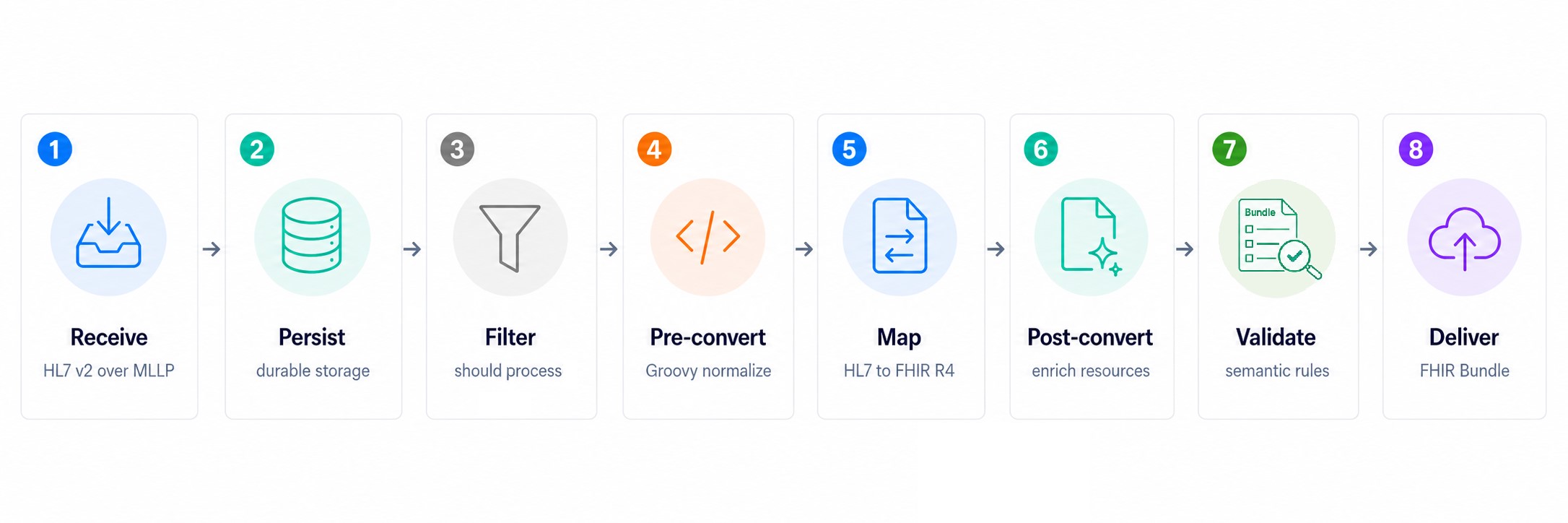
The processing lifecycle separates intake, persistence, filtering, transformation, customization, semantic validation, and delivery into clearly defined stages.

FireSonic processing lifecycle: Receive, Persist, Filter, Pre-convert, Map, Post-convert, Validate, and Deliver
Platform architecture

A focused integration platform, not a collection of infrastructure components

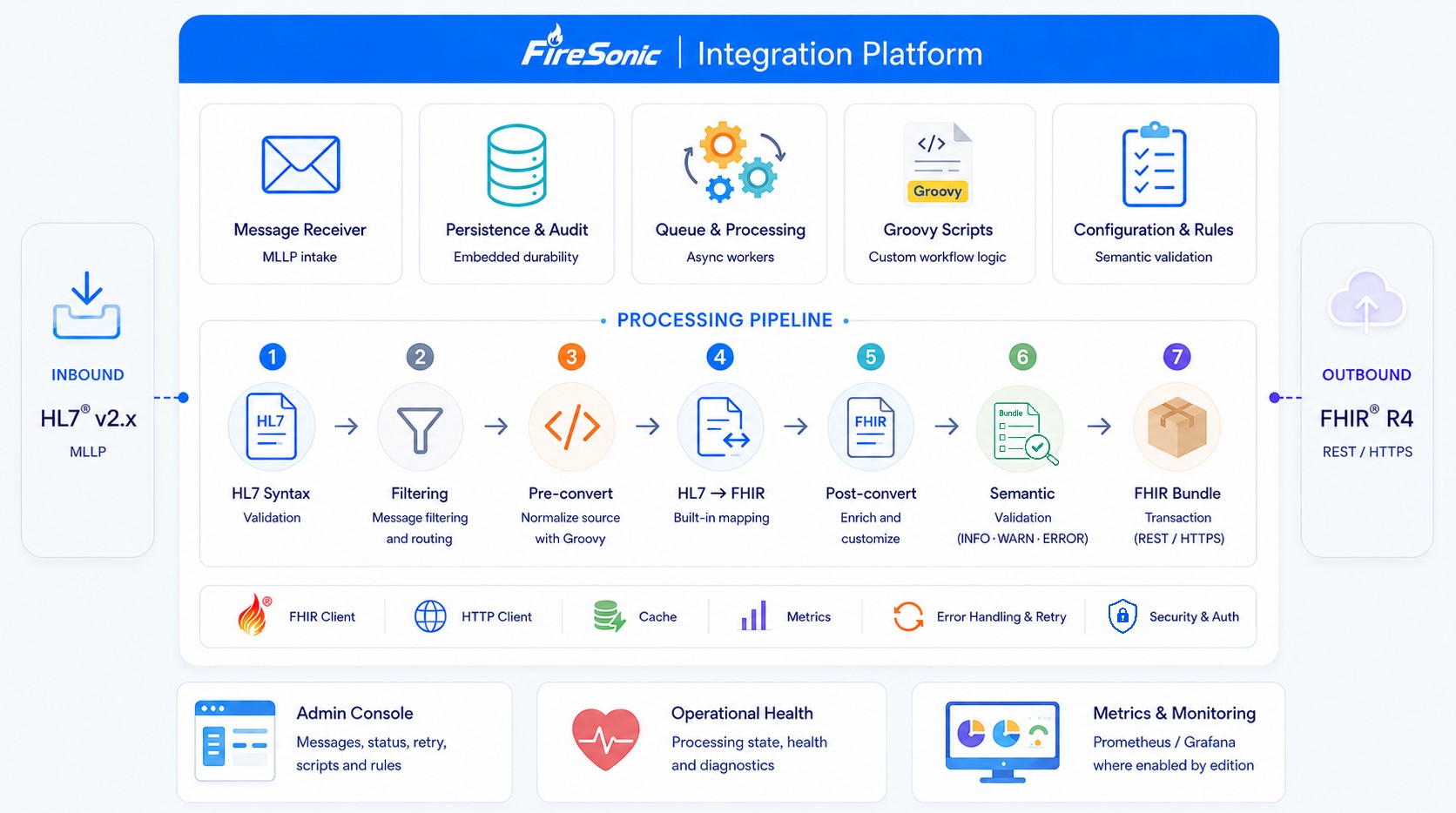
Core processing, persistence, queues, scripting, validation, delivery, and administration are integrated into one deployable platform.

FireSonic Integration Platform architecture showing HL7 v2 MLLP inbound, persistence, queue processing, Groovy scripting, semantic validation, FHIR R4 delivery, clients, retry, security, administration, health, and monitoring
Customization model

Built-in core mapping. Your workflow in Groovy.

FireSonic keeps standard HL7 v2 → FHIR R4 interoperability behavior in the built-in core mapping while exposing site-specific workflow logic through a developer-friendly SDK.

Built-in Core

Standard HL7 v2 → FHIR R4 transformation

  • HL7 parsing and event handling
  • FHIR resource construction and linking
  • Transaction Bundle generation
  • Business identifier and idempotency decisions
  • Segment grouping into resource topology
  • FHIR delivery and processing state management
Your Workflow

Organization-specific logic without modifying the core mapping

  • Normalize source HL7 before conversion
  • Filter messages that should not enter conversion
  • Enrich or reconcile generated FHIR resources
  • Call FHIR and REST services from scripts
  • Implement site-specific business workflows
  • Define site-specific semantic validation rules with the Groovy DSL
Reliability

Reliability is part of the processing model

Persist before processing

Incoming HL7 is stored before transformation begins, supporting restart-safe recovery.

Asynchronous processing

Message intake, transformation, and delivery are separated into independent processing stages.

Retry failed delivery

Technical delivery failures remain visible and can be retried without resending the original HL7.

Restart-safe recovery

Interrupted processing can resume after application or infrastructure restart.

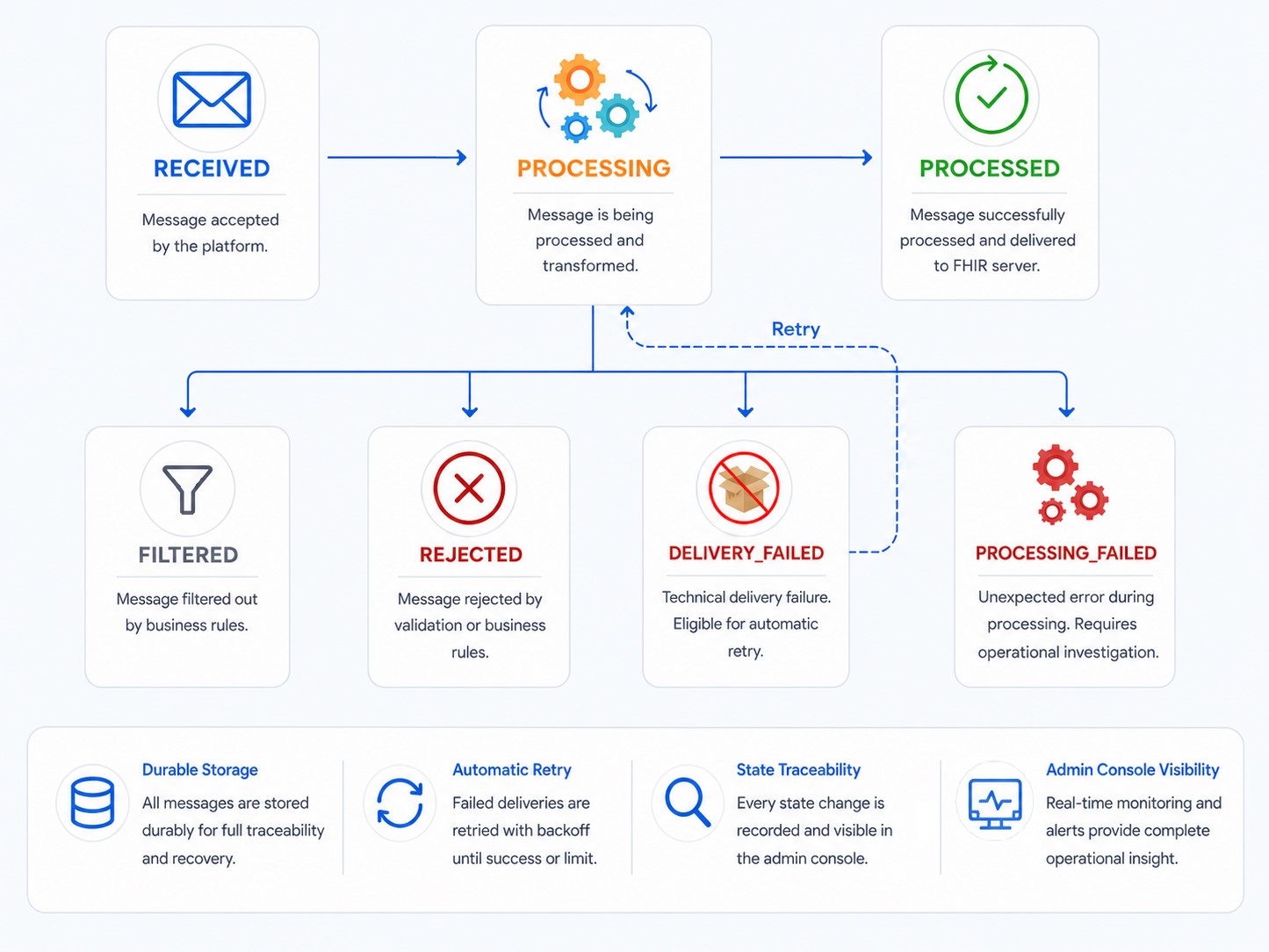
FireSonic message processing lifecycle showing RECEIVED, PROCESSING, PROCESSED, FILTERED, REJECTED, DELIVERY_FAILED with retry, and PROCESSING_FAILED states
Semantic validation

Valid FHIR is not always correct FHIR.

A FHIR Bundle can be structurally valid and accepted by the target server while still carrying the wrong patient, encounter, timing, or workflow context. FireSonic evaluates that context before delivery, so downstream systems receive the right data in the right context.

Patient & Encounter Context

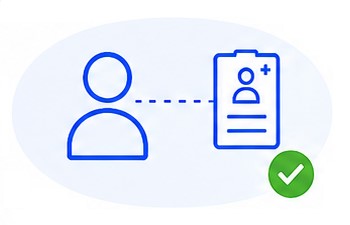
Verify that generated resources reference the expected patient and active encounter.

Timing & Lifecycle Context

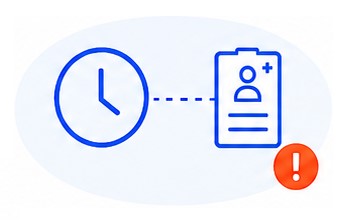
Detect late-arriving results linked to stale, discharged, or outdated encounters.

Clinical State Context

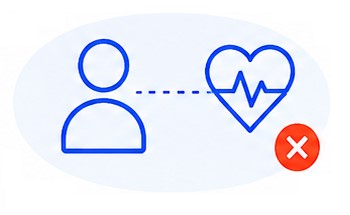
Detect workflows that conflict with the patient’s current clinical state.

Required Workflow Context

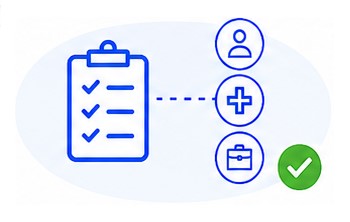
Require supporting encounter, treatment, or business context before downstream delivery.

i INFO
! WARN
× ERROR → Delivery blocked

FireSonic can stop technically valid but operationally suspicious data before it is committed to downstream FHIR systems.

Lightweight by design

Production interoperability without an infrastructure stack

FireSonic is designed for low operational overhead and lightweight single-node deployments while still providing durable processing, customization, validation, and administration.

Infrastructure simplifications

No external DB server required

Standard single-node deployments use embedded durable persistence.

No Kafka or external message broker required

Asynchronous intake and processing queues are built into the platform.

Commodity hardware friendly

Designed for modest server or VM resources. Lightweight deployments can run with 2 CPU cores and 1 GB RAM.

Low infrastructure footprint

Fewer moving parts to install, patch, secure, monitor, and troubleshoot.

Built-in platform capabilities

Embedded durable persistence

Incoming messages are stored locally before processing for recovery and traceability.

Built-in processing queues

Intake and processing are separated with internal asynchronous queuing.

Groovy scripts & semantic rules

Customize workflows and validate clinical context without external services.

Admin Console & health

Inspect status, retries, scripts, rules, and operational health from one place.

Scheduled backups

Create automatic database backups on a defined interval.

Retention & maintenance

Automatically purge expired message history to control database growth and disk usage.

Built-in cache support

Create lightweight caches for lookups, reference data, and workflow state.

Deployment

Deploy where your integration lives

Place FireSonic close to the clinical systems it integrates with. The platform is suitable for protected hospital networks, virtual machines, Docker environments, and cloud infrastructure.

On-premises hospital infrastructure

On-Premises

Run FireSonic inside hospital or clinic infrastructure and keep message intake, persistence, and configuration under your operational control.

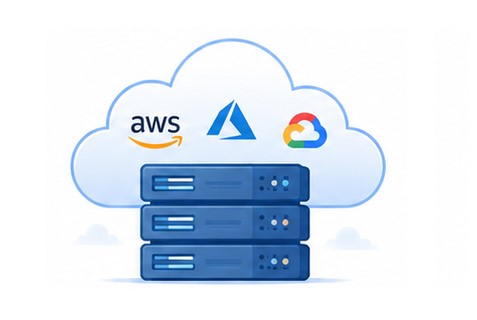
Cloud and virtual machine infrastructure

Cloud / VM

Deploy on standard Windows or Linux virtual machines in private or public cloud environments.

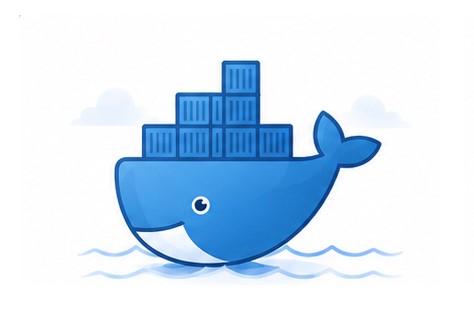
Docker container deployment

Docker

Use the provided containerized deployment model for repeatable local, test, and production environments.

Healthcare workflows

Built for common healthcare workflows

HL7 v2 coverage across patient administration, orders and results, scheduling, medication, immunization, clinical documents, and financial workflows.

Patient Administration

Admissions, transfers, discharges, and patient updates

ADT A01 · A02 · A03 · A04 · A05 · A06 · A07 · A08 · A11 · A13 · A16 · A25 · A31 · A38 · A40

Orders & Results

Laboratory and diagnostic orders and results

ORU R01 · ORM O01 · OMG O19 · OML O21

Scheduling

Appointments and scheduling workflows

SIU S12 · S13 · S14 · S15 · S26

Medication

Medication orders and administration workflows

RDE O11 · RDE O25 · RAS O17

Immunization

Vaccination records and administration

VXU V04

Clinical Documents

Clinical document exchange and notifications

MDM T01 · T02 · T03 · T04

Financial

Charges and financial transaction workflows

DFT P03

Start with the platform. Customize only what is local.

Explore the Community Edition, Developer SDK, and technical documentation.